




5 Mistakes Anglers Make When Choosing a Fishing Bag (Avoid These!)

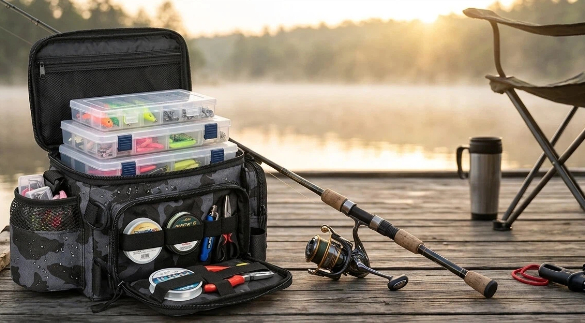
Choosing the right fishing bag is a critical decision that can significantly impact your angling success and enjoyment. Yet, many anglers, both novice and experienced, often overlook key considerations, leading to frustration, damaged gear, and missed opportunities on the water. To help you avoid common pitfalls, we’ve identified five prevalent mistakes anglers make when selecting a fishing bag. Learn from these errors and make an informed choice that enhances your next fishing adventure.
Mistake 1: Underestimating Storage Needs (The
‘Too Small’ Syndrome)
It’s tempting to opt for a compact, lightweight bag, especially if you’re trying to minimize bulk. However, underestimating the amount of gear you actually need can quickly lead to an overstuffed, disorganized mess. Consider not just your lures and tackle boxes, but also:
- Essentials: First-aid kit, multi-tool, flashlight, sunscreen, insect repellent.
- Personal Items: Phone, wallet, keys, snacks, water bottle.
- Weather Gear: Rain jacket, extra layers.
- Catch Management: Stringer, measuring tape, small cooler (if applicable).
Solution: Before buying, lay out all the gear you typically bring on a fishing trip. Then, choose a bag that comfortably accommodates everything with room to spare for future additions or unexpected necessities. Look for bags with expandable compartments or external attachment points.
Mistake 2: Ignoring Material Durability and Weather Resistance (The ‘Cheap Out’ Trap)
Fishing environments are harsh. Saltwater, UV rays, sharp hooks, and rough surfaces can quickly degrade a poorly constructed bag. Opting for a cheaper bag made from flimsy materials might save you money upfront, but it will likely cost you more in the long run through damaged gear and premature replacement.
Solution: Invest in bags made from robust, weather-resistant materials like heavy-duty nylon (e.g., Cordura), PVC, or waterproof tarpaulin. Check for reinforced stitching, corrosion-resistant zippers (especially for saltwater use), and a sturdy, waterproof base. These features ensure your gear stays dry and protected, extending the life of both your bag and its contents.
Mistake 3: Overlooking Organizational Features (The ‘Black Hole’ Effect)
A large main compartment might seem spacious, but without proper internal organization, it quickly becomes a black hole where small items get lost and tackle boxes slide around. This leads to wasted time and frustration when you need to quickly access a specific lure or tool.
Solution: Prioritize bags with intelligent organizational features. Look for:
- Multiple Compartments: Separate sections for different types of gear.
- Adjustable Dividers: Customize storage to fit various tackle box sizes.
- External Pockets: Easy access for frequently used items like pliers, line cutters, or a phone.
- Tool Holders: Dedicated loops or sheaths for tools like pliers or scissors.
- Clear Pockets/Windows: For quick identification of contents without opening every pouch.
Mistake 4: Sacrificing Comfort for Capacity (The ‘Heavy Burden’ Blunder)
Even if your bag holds all your gear, if it’s uncomfortable to carry, it detracts from the entire fishing experience. Hauling a heavy, ill-fitting bag can lead to back pain, fatigue, and an unwillingness to venture to prime fishing spots that require a bit of a trek.
Solution: Pay close attention to the bag’s carrying system. For backpacks, look for padded, adjustable shoulder straps, a sternum strap, and a hip belt to distribute weight effectively. For shoulder bags, ensure the strap is wide, padded, and non-slip. Consider how the bag feels when fully loaded and if it allows for comfortable movement, especially if you plan on walking long distances or navigating uneven terrain.
Mistake 5: Not Matching the Bag to Your Fishing Style (The ‘One-Size-Fits-All’ Fallacy)
There’s no single‘perfect’ fishing bag; the best bag for you depends entirely on your fishing style and the type of environment you fish in. A fly angler needs something different from a surf caster, and a kayak fisherman has different requirements than someone fishing from a large boat.
Solution: Before you even start looking, define your primary fishing style(s):
- Shore/Bank Fishing: You might need a backpack or a shoulder bag that allows for mobility.
- Boat Fishing: A larger duffel-style bag or tackle box that can be stowed easily might be more suitable.
- Fly Fishing: Specialized chest packs or sling packs designed for quick access to flies and tools.
- Kayak/Canoe Fishing: Waterproof bags that can be secured to the vessel are crucial.
Matching the bag to your specific needs ensures maximum functionality and convenience.
Conclusion
Choosing a fishing bag is an investment in your angling efficiency, gear protection, and overall comfort. By avoiding these five common mistakes – underestimating storage, neglecting durability, ignoring organization, sacrificing comfort, and failing to match your fishing style – you can select a bag that truly enhances your time on the water. A well-chosen fishing bag isn’t just a piece of equipment; it’s a strategic advantage that helps you fish smarter and enjoy every moment of your outdoor pursuit.
Ready to find the fishing bag that’s perfect for your adventures? Explore our premium collection designed for every angler’s need.


